Traditional Karate Technical Training That Lasts

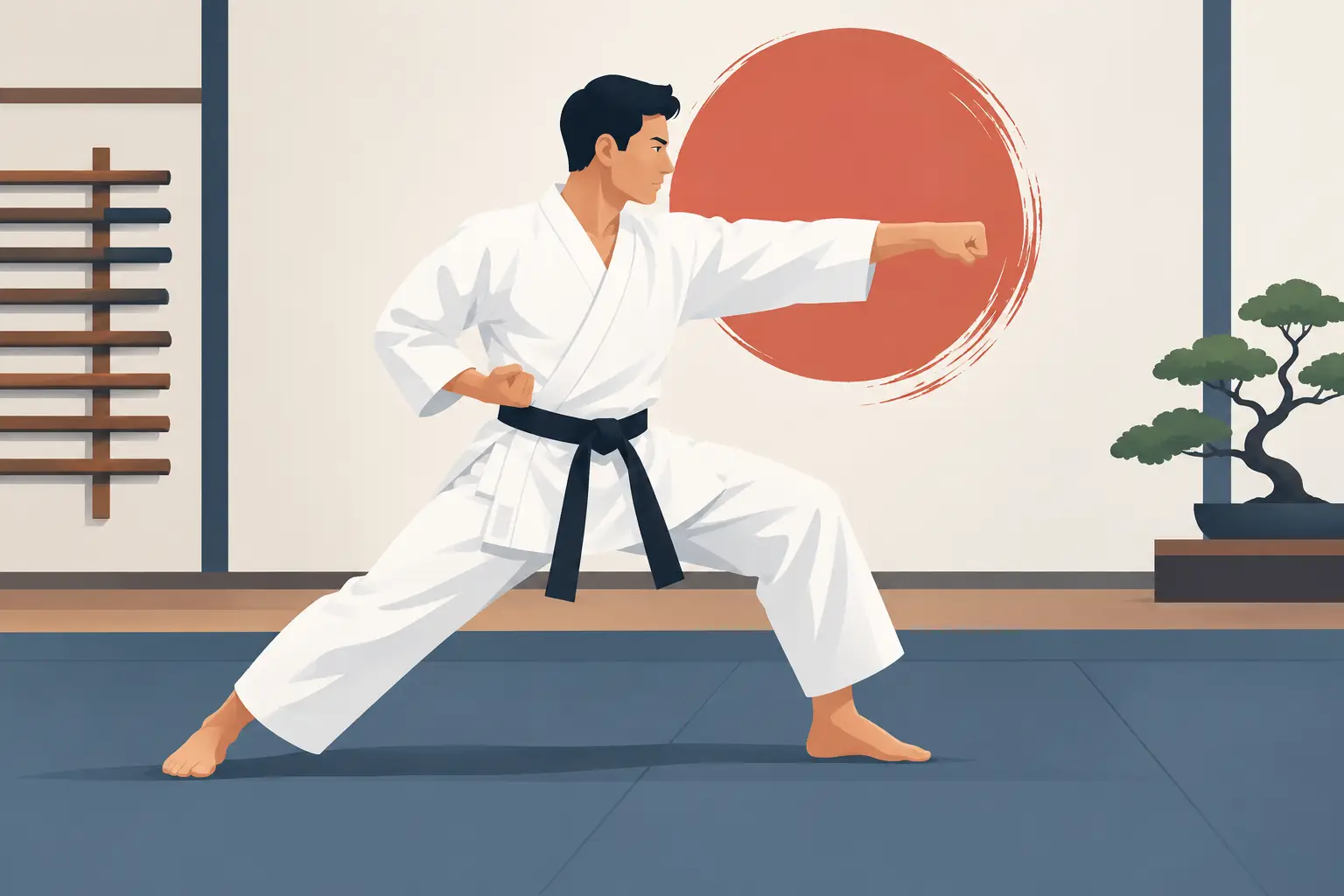
A child steps onto the mat, plants their feet too close together, and throws a punch with all the enthusiasm in the world. An experienced instructor does not simply tell them to hit harder. They adjust the stance, explain where the power begins, and ask the student to try again with focus. That patient attention to detail is the heart of traditional karate technical training.
At Bay Area's Best Kosho Ryu Kenpo Karate, technique is not a performance for earning the next belt. It is a disciplined process of learning how to move with balance, awareness, control, and purpose. For children, teens, and adults, those lessons create more than stronger strikes. They build the habits of a warrior: concentration under pressure, respect for instruction, and the resilience to improve after a mistake.
What Technical Training Means in Traditional Karate
Technical training begins with fundamentals, but fundamentals are never treated as basic in the dismissive sense. A balanced stance, properly aligned wrist, controlled chamber, focused breath, and alert eyes all affect whether a movement is safe, effective, and repeatable. Students return to these details throughout their training because every advanced skill depends on them.
In traditional Kosho Ryu Kenpo, students learn that a technique has a reason. A block is not just an arm motion. It protects a line, creates an angle, and prepares the body for the next action. A punch is not simply a fast hand. It is a coordinated movement from the feet through the hips, torso, shoulder, and fist. When students understand that connection, karate starts to feel less like memorizing motions and more like learning a language of movement.
That approach differs from programs that focus mainly on sweating, fast promotion, or flashy combinations. Physical fitness matters, and training should be enjoyable, but fitness without form can reinforce poor habits. Traditional instruction asks students to slow down enough to learn correctly, then build speed and power without losing control.
Why Precision Builds Real Confidence
Confidence is not loudness. It is the steady belief that comes from knowing what to do and practicing it until the body can respond with control. Technical precision gives students that foundation.
For a young child, confidence may begin with standing in a ready position while the rest of the class watches. With patient repetition, that same child learns to listen for a command, execute a sequence, recover from an error, and try again. Their posture changes. Their voice becomes clearer. They see proof that effort leads to progress.
Teenagers often benefit from a different kind of confidence. They are managing school demands, social pressure, and rapid physical changes. Karate technical training gives them a structured place to work toward measurable goals without needing to compare themselves to everyone else. A teen who refines a difficult form or learns to stay composed during partner drills gains a quiet confidence that carries into presentations, tests, and challenging conversations.
Adults may arrive looking for practical self-defense or a better way to stay active. Precision remains essential. Strong movements performed with poor alignment can strain joints and limit progress. A well-taught technique helps adults train intelligently, improve coordination, and develop usable skills while respecting their current fitness level and prior experience.
Traditional Karate Technical Training Is Built Through Repetition
Repetition can look simple from the outside. In a quality dojo, it is purposeful. Students might practice the same stance, strike, or defensive movement many times, but the instructor is watching for small improvements: feet rooted without becoming stiff, shoulders relaxed, hands returning to guard, and eyes staying engaged.
This is where individualized instruction matters. Two students can perform the same movement for different reasons. One may need help with balance. Another may need to slow down. A third may understand the mechanics but need the confidence to commit to the technique. Clear standards should not mean one-size-fits-all teaching. The best instruction meets each student where they are while guiding them toward technical mastery.
Repetition also teaches patience. Progress in karate is rarely a straight line. A student may perform a form beautifully one day and struggle with it the next. That experience is valuable when handled with encouragement and accountability. The Japanese philosophy of nana korobi ya oki, fall down seven times, get up eight, becomes real when a student corrects a mistake instead of quitting because of it.
Forms, Partner Work, and Self-Defense Each Have a Role
Traditional training uses several methods because no single exercise teaches everything. Forms, often called kata, help students organize posture, timing, direction, and transitions. They develop memory and concentration while showing how individual techniques connect into a complete sequence.
Partner work brings another layer of learning. Students must recognize distance, timing, and control while practicing with respect for another person. This is especially important for children, who learn that karate skill includes knowing how to train safely and responsibly. A technique that cannot be controlled is not yet mastered.
Practical self-defense drills connect these lessons to real-world awareness. The goal is not to encourage confrontation. It is to teach students to recognize danger, use their voice, create space, and respond decisively if they cannot get away. What a student practices will depend on age, experience, and readiness. A five-year-old needs clear, age-appropriate safety habits; an adult may work through more complex scenarios and body mechanics.
Together, these training methods develop a fuller martial artist. Forms create structure. Partner drills develop timing and respect. Self-defense practice gives purpose to the movement.
The Character Lessons Happen Between Techniques
Parents often notice changes that have little to do with a particular kick or punch. Their child begins following directions more closely, handling frustration with more maturity, or showing greater pride in finishing a difficult task. Those changes are not separate from karate training. They grow from the same daily expectations.
Students bow because respect matters. They wait their turn because self-control matters. They correct their stance because details matter. They encourage a classmate because a dojo is a community, not an audience. Over time, these actions become habits that support school, family life, friendships, and future responsibilities.
For families in Pacifica, Daly City, and nearby Bay Area communities, a martial arts program should offer more than an activity to fill an afternoon. It should provide a stable place where children are known, challenged, and supported. Technical standards are part of that promise. When instructors care enough to teach the details, they show students that their growth is worth the effort.
What Beginners Should Expect
Beginners do not need to arrive flexible, athletic, or already confident. They need a willingness to listen, practice, and keep showing up. The first classes may feel unfamiliar, particularly for students who are used to immediate results. Learning stance names, etiquette, coordination, and sequences takes time.
That is also why traditional karate can be so rewarding. Each small success is earned: a stronger balance, a remembered sequence, a more focused class, or the courage to work with a partner. Belt advancement can mark progress, but it should never be the only goal. The deeper reward is becoming someone who can stay committed when improvement requires patience.
A supportive dojo makes that path accessible. Families should look for an environment where beginners receive clear instruction, advanced students continue to be challenged, and questions are welcomed. Serious training and warmth belong together. Students thrive when they know the expectations and trust that their instructor wants them to succeed.
A Practice That Grows With the Student
Traditional karate technical training does not promise instant confidence or effortless discipline. It offers something more valuable: a proven practice of showing up, paying attention, making corrections, and growing stronger one class at a time.
Whether a student is learning their first ready stance or refining years of Kenpo experience, every focused repetition is an opportunity to stand a little taller, think a little clearer, and get up one more time than they fell.
Comments