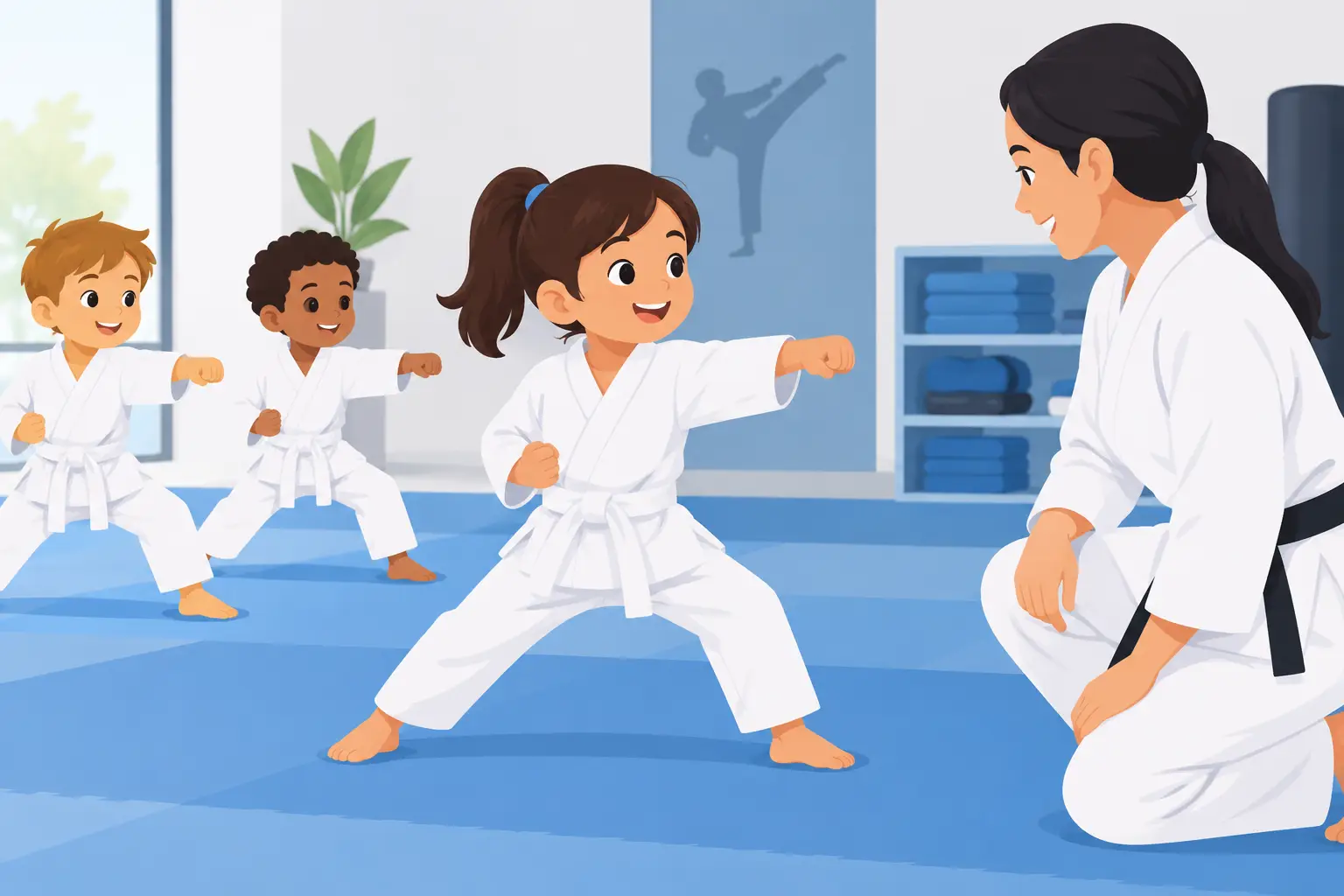
Choosing Martial Arts Classes for 5 Year Olds

A five-year-old does not need a harsh boot camp or a room full of advanced moves. They need a place where learning to stand tall, listen closely, try again, and treat others with respect feels exciting. The right martial arts classes for 5 year olds turn those early lessons into habits that can support a child at home, at school, and with friends.
At this age, karate is not about making children act like little adults. It is about giving their energy direction. A well-run class uses clear routines, focused movement, age-appropriate challenges, and patient encouragement to help young students discover what they can do.
Why martial arts can be a strong fit at age five
Five-year-olds are developing quickly. They may be eager to participate one moment and distracted the next. They are learning how to follow directions in a group, manage big feelings, wait for a turn, and recover when something does not go their way. Those are not side benefits of martial arts training. They are part of the training.
In traditional Kosho Ryu Kenpo, a child practices controlled stances, blocks, strikes, balance, and movement. Just as valuable, they practice stopping when instructed, keeping hands and feet to themselves, and showing respect before and after working with a partner. Physical skill and character grow together.
For many parents, the visible change is confidence. A child who once hung back may begin raising a hand, speaking more clearly, or walking into a new activity with less hesitation. That confidence should not come from being told they are the best. It should come from repeated proof that effort works: they listened, practiced, improved, and earned the next step.
Martial arts also gives active children a constructive outlet. Running, kicking, balancing, and coordinated drills can build fitness without making exercise feel like a chore. Yet a good program balances movement with calm. A child learns that strength includes control.
What good martial arts classes for 5 year olds look like
The quality of instruction matters more than the style name on the sign. Young beginners need an instructor who can maintain standards without expecting perfection. A serious dojo can still be warm, patient, and fun.
Look for classes with a predictable rhythm. Children do better when they know what comes next: line up, bow in, warm up, learn a skill, practice a drill, and close class respectfully. Repetition is not boring when it gives a five-year-old a sense of security and progress.
Instruction should be broken into short, understandable pieces. Rather than delivering a long explanation, a skilled teacher demonstrates one movement, gives a simple cue, watches the child try it, and offers a correction they can use right away. “Turn your foot,” “eyes forward,” or “strong stance” makes more sense to a young child than a lecture about mechanics.
Class size and attention also matter. Some children thrive in a lively group; others need an extra moment to process directions or build comfort. Individualized instruction helps each student stay challenged without being overwhelmed. The goal is not to rush every child through the same pace. The goal is technical progress, growing focus, and pride in honest effort.
A healthy dojo culture is equally important. Children should learn that training partners are not enemies and that winning is not the only measure of success. They should be encouraged to help one another, accept corrections, and return to practice after mistakes. This reflects the Japanese perseverance philosophy of nana korobi ya oki: fall down seven times, get up eight.
Readiness is more than age
Many children are ready to begin at five, but readiness does not mean they can stand perfectly still or remember every detail. It means they can participate with support. A child may be ready if they can separate from a parent for a short period, follow simple safety directions, and show interest in trying a structured activity.
It is also normal for a child to be shy, wiggly, cautious, or occasionally frustrated. Those traits do not automatically mean they should wait. In fact, a patient martial arts environment can help them practice exactly the skills they are still developing.
There are situations where timing matters. If a child is having a particularly difficult transition at school, is exhausted by a packed weekly schedule, or becomes distressed in group settings, parents may want to start slowly. A trial class can reveal more than guesswork. Watch whether the child becomes more comfortable as class continues, whether the instructor can connect with them, and whether the structure helps them settle.
What your child will learn beyond kicks and punches
Parents often enroll a five-year-old because they want confidence or focus. Those outcomes are real, but they are built through small moments that happen every class.
A student learns concentration by holding a stance while listening for the next command. They build self-control by practicing techniques with control instead of wild force. They learn respect by bowing, using courteous language, and paying attention when someone else is speaking. They build resilience when a technique feels difficult, then becomes easier after another attempt.
Practical self-defense begins with awareness, boundaries, and discipline. Young children should understand that martial arts skills are for safety, never for showing off or hurting others. Responsible instruction makes this message clear from the beginning. The strongest young martial artist is not the child who throws the hardest strike. It is the child who knows when not to use one.
These habits often travel outside the dojo. Parents may notice better listening during morning routines, more patience with siblings, or greater willingness to keep trying with homework. Progress is rarely a straight line, especially at age five. A child may have an excellent week followed by a distracted class. Consistent training gives them a place to work through both.
How parents can help a young student succeed
Your role is not to become a second instructor at home. Your most helpful job is to make attendance consistent and effort meaningful. Arrive a few minutes early so your child does not begin class rushed. Make sure they have water, comfortable training clothes if needed, and a calm moment to transition into class.
Afterward, ask specific questions instead of only asking, “Did you have fun?” Try asking which skill they practiced, what was challenging, or who showed good respect. These questions teach children to notice effort and learning rather than looking only for praise.
Keep expectations realistic. Some days your child will be focused and proud. On other days, they may forget a move or need several reminders. Avoid turning every class into a performance review. A simple message such as, “I saw you keep trying,” reinforces the warrior habits that matter most.
It also helps to let the dojo handle dojo corrections. When parents and instructors share the same values of respect, responsibility, and perseverance, children receive a clear message without feeling pressured from every direction.
Choosing a program that can grow with your child
The first class should feel welcoming, but it should also show a path forward. A program for young children needs enough playfulness to hold attention and enough structure to develop real skill. Fitness-first activities may be enjoyable, but families seeking lasting growth should look for training that values technical precision, self-control, and traditional martial arts principles.
At Bay Area's Best Kosho Ryu Kenpo Karate, families in Pacifica and Daly City can look for a community where children are known as individuals, standards are clear, and progress is earned with patient practice. The best first experience is one where a child feels safe enough to try, challenged enough to grow, and proud enough to return.
For a five-year-old, the first bow into class can become more than the start of an extracurricular activity. It can be the beginning of a steady belief that when something is hard, they can take a breath, stand back up, and try once more.
Comments