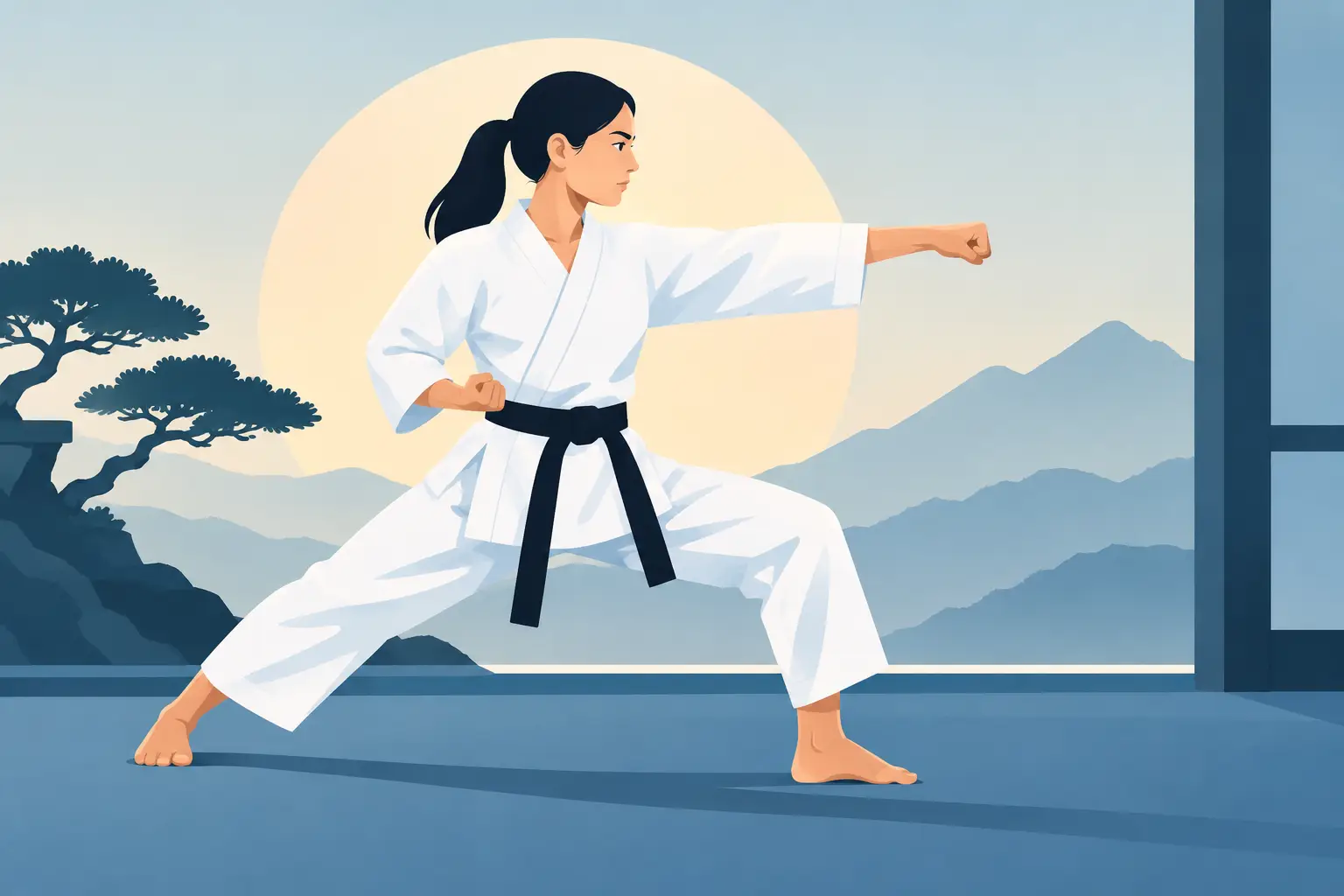
How to Develop Self Control Through Karate

A child wants to quit when a form feels difficult. A teenager feels anger rise after a frustrating day at school. An adult reaches for a phone instead of finishing an important task. These moments may look different, but they all raise the same question: how to develop self control when emotions, habits, and distractions are pulling in another direction.
Self-control is not about becoming silent, stiff, or perfect. It is the ability to pause, choose a response, and follow through on what matters. In traditional martial arts, that ability is trained through repetition. A student learns to hold a stance when the legs are tired, listen before moving, accept correction without giving up, and use strength with care. Those are not side benefits of karate. They are part of the practice.
Self-Control Is a Skill, Not a Personality Trait
Some people appear naturally calm or disciplined, but self-control is not something a person either has or lacks. It grows through small, repeated choices. The more often someone practices noticing an impulse and responding with intention, the more available that response becomes under pressure.
For children, that might mean keeping hands to themselves when excitement takes over, waiting for a turn, or trying a technique again after a mistake. For teens, it may mean managing frustration, resisting peer pressure, or staying committed to a goal when progress feels slow. Adults practice the same skill when they manage stress, keep promises to themselves, and respond thoughtfully during conflict.
The goal is not to eliminate big feelings. Anger, disappointment, nervousness, and excitement are normal. Self-control gives those feelings a boundary. It teaches students that they can feel something strongly without letting that feeling make every decision for them.
How to Develop Self Control Through Small Commitments
Grand promises are easy to make and difficult to sustain. A stronger approach is to create a few clear commitments that are small enough to repeat. Consistency builds trust in yourself, and that trust makes discipline more natural.
Start with one behavior that matters in daily life. A child might put shoes away after school. A teen might complete homework before gaming. An adult might take a ten-minute walk before opening social media after work. The commitment should be specific: what will happen, when it will happen, and what comes first.
Then practice following through even when motivation is low. This is where growth happens. Motivation is useful, but it changes from day to day. Self-control is built when a person acts according to a chosen standard rather than waiting to feel ready.
Parents can help by making expectations calm and predictable. Instead of repeating a long lecture, state the routine clearly and allow the child to practice it. Praise the effort to reset, not only the perfect result. When a child forgets, the lesson is not that they have failed. The lesson is to return to the habit.
That mindset reflects nana korobi ya oki: fall down seven times, get up eight. Discipline is not never slipping. It is learning to recover without excuses or shame.
Use the Body to Train the Mind
The body and mind are closely connected. It is harder to make a thoughtful choice when breathing is rushed, posture is collapsed, or the body is carrying excess tension. A brief physical reset can create the space needed for self-control.
In Kosho Ryu Kenpo training, students learn that precision begins with position. Before a technique can be effective, the feet, hips, hands, breath, and attention must work together. A rushed movement loses balance. A distracted movement loses accuracy. Students learn to slow down, establish control, and then move with purpose.
That same process works outside the dojo. When tempers rise, pause before speaking. Put both feet on the floor. Take a slow breath in and a longer breath out. Relax the shoulders. Then decide what response serves the situation. This will not solve every problem, but it can prevent a temporary emotion from becoming a hurtful action.
For younger children, make this simple and concrete. Ask them to stand tall like a ready stance, take three calm breaths, and name what happened. For adults and teens, a short walk, a set of controlled push-ups, or a few minutes of focused breathing can interrupt an unhelpful pattern. The best tool depends on the person, but the principle is the same: create a pause before reacting.
Practice Delayed Gratification Without Making Life Miserable
Self-control often involves choosing a longer-term reward over an immediate one. Finish the assignment before entertainment. Save money rather than spend it on an impulse. Train consistently instead of only attending when it feels convenient.
But discipline should not feel like constant deprivation. If every routine is all restriction and no enjoyment, it will be hard to maintain. A better approach is to organize life so responsibilities come first and enjoyable activities have a clear place afterward. A child who finishes a task can play with a lighter mind. A teen who trains before scrolling has protected time for personal growth. An adult who prepares meals, workouts, or work priorities ahead of time has fewer decisions to battle later.
This is why structure matters. A predictable training schedule, a homework routine, and a consistent bedtime do not remove freedom. They reduce unnecessary conflict. When the next right action is already known, there is less room for distraction to take over.
Let Mistakes Become Feedback
Many people lose self-control after a mistake because they turn one poor choice into a story about who they are. A missed workout becomes “I am lazy.” An angry outburst becomes “I cannot control myself.” That thinking makes it harder to improve.
Martial arts offers a more useful standard. When a technique is off balance, a student receives correction, adjusts, and repeats it. The correction is not a personal attack. It is information. Technical mastery comes from being willing to see what needs work.
Use that same approach at home, school, or work. After losing patience, ask: What happened right before I reacted? Was I tired, hungry, embarrassed, rushed, or overwhelmed? What pause could I practice next time? A child may need help naming these patterns, while a teen or adult can write them down after a difficult moment.
Accountability matters, too. Self-control is not an excuse to hide mistakes. If someone speaks disrespectfully or breaks a rule, they should repair the harm. Apologize clearly, make the situation right where possible, and practice a better response. Respect is shown through action.
Build Self-Control in a Supportive Community
Discipline is personal, but it rarely grows well in isolation. Students benefit from instructors, training partners, parents, and peers who hold clear standards while believing in their ability to meet them. A supportive environment does not lower the bar. It provides patient guidance on the path toward it.
In a family-oriented karate class, a beginner can see that every advanced student once struggled with basic stances, coordination, and focus. Children learn that effort is normal. Teens discover a place where strength is connected to responsibility. Adults find training partners who encourage progress without pretending the work is easy.
At Bay Area's Best Kosho Ryu Kenpo Karate, the lesson is not simply to throw a technique harder or move faster. It is to train with attention, respect the people around you, and keep going when improvement takes time. That is how warrior habits are built: one focused class, one corrected mistake, and one honorable choice at a time.
Give Progress Time to Take Root
Self-control becomes visible in ordinary moments long before someone notices a dramatic transformation. It appears when a child takes a breath instead of shouting, when a teenager returns to a difficult assignment, or when an adult keeps a commitment after a demanding day. These moments deserve recognition because they are evidence of real growth.
Keep the standard clear, make the next step manageable, and return to practice after setbacks. With patience and steady training, self-control stops feeling like a battle against yourself. It becomes a dependable part of the person you are choosing to become.
Comments