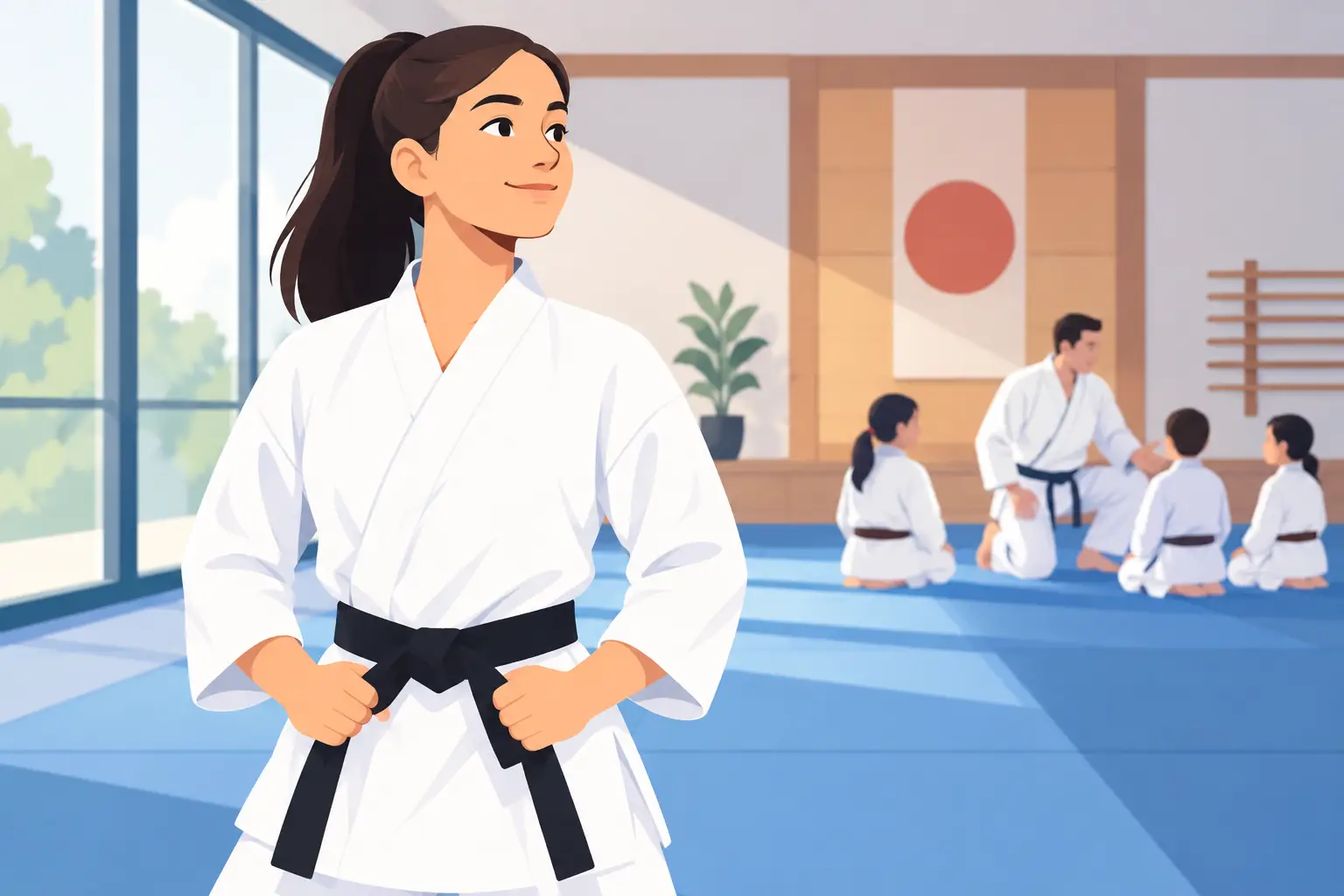
How to Choose a Karate School for Lasting Confidence

A karate school can become the place where a shy child finds their voice, a teenager learns to handle pressure, or an adult rebuilds confidence through consistent effort. That is why learning how to choose karate school programs deserves more than a quick search for the nearest class or the lowest monthly price. The right dojo should teach students how to move with skill, think with focus, and keep going when progress feels difficult.
For families in Pacifica, Daly City, and nearby communities, the decision often begins with practical questions about schedule and location. Those matter. But the best choice comes down to something deeper: whether a school has the standards, instruction, and supportive community to help a student grow for years, not just stay busy for a season.
How to Choose a Karate School That Fits Your Goals
Start by being clear about why you or your child wants to train. A parent may be looking for a constructive activity that builds respect, concentration, and self-control. A teenager may want practical self-defense, fitness, and a place to develop confidence. An adult may be returning to martial arts or seeking a disciplined alternative to a typical gym routine.
A good school can serve several of these goals, but its primary focus should be easy to understand. Some programs are built mostly around high-energy exercise. Others emphasize competition. A traditional martial arts school should also develop technical precision, awareness, composure, and character.
Ask what students are expected to learn beyond kicks and punches. Do instructors talk about perseverance, responsibility, and respect? Is there a clear path from beginner fundamentals to more advanced technical mastery? Training should be challenging, but the challenge should have purpose.
At Bay Area's Best Kosho Ryu Kenpo Karate, the goal is not simply to produce a good workout. Students build habits of a warrior through focused movement, practical self-defense, and the steady discipline of showing up, practicing, and improving.
Look Closely at the Instructor's Teaching Style
The instructor sets the tone for every class. Credentials and experience matter, especially in a traditional art such as Kosho Ryu Kenpo. Yet the most impressive rank on the wall cannot replace clear teaching, patience, and the ability to work with different personalities and learning styles.
Watch how the instructor corrects students. Effective correction is specific and respectful. Instead of vaguely telling a child to do better, a strong instructor explains how to adjust a stance, improve balance, protect their hands, or focus their attention. Students should leave class knowing what they did well and what to practice next.
For children, notice whether standards are firm without becoming harsh. Young students need structure, but they also need encouragement when coordination, focus, or confidence takes time to develop. For adults, look for an instructor who can break down technique without making beginners feel behind. Serious training and a welcoming atmosphere are not opposites. The best dojos offer both.
Make Sure the Program Is Right for the Student's Age
A five-year-old and a fifteen-year-old may both benefit from karate, but they do not learn in the same way. Age-appropriate instruction is one of the clearest signs that a school understands student development.
For children ages 5 to 12, classes should build fundamental movement, listening skills, body awareness, and respect for others. The structure needs to be active enough to hold attention while reinforcing clear expectations. Children should learn that focus is a skill they can practice, not a trait they either have or do not have.
Teen programs need room for increasing strength, coordination, and independence. This is also a valuable stage for realistic self-defense awareness, fitness, stress management, and resilience. Teenagers respond well when instructors treat them with respect and give them meaningful responsibility.
Adults need beginner-friendly instruction that still feels substantial. A quality adult class should meet students where they are physically while inviting them to pursue genuine technical mastery. Some adults train for fitness, some for self-protection, and some for the lifelong study of a traditional art. The program should make room for those different starting points.
Observe the Dojo Culture, Not Just the Class Schedule
Every school has a culture. You can often sense it within the first few minutes of watching a class. Are students attentive when instruction begins? Do advanced students help set a positive example? Are new students welcomed without being singled out or embarrassed?
A healthy dojo community is not loud for the sake of excitement, nor is it so rigid that students are afraid to make mistakes. It is organized, encouraging, and purposeful. Students should understand that respect applies to instructors, training partners, parents, and themselves.
Pay attention to how students respond after making an error. Martial arts offer a powerful lesson: falling short is part of training. The Japanese perseverance philosophy of nana korobi ya oki means fall down seven times, get up eight. A school that lives this principle helps students recover from frustration instead of avoiding it.
This matters well beyond the mat. Children carry that resilience into homework, friendships, and new challenges. Adults bring it into work, family responsibilities, and personal goals.
Ask About Safety, Structure, and Advancement
Martial arts should be taught with discipline and care. A clean training space, organized class format, and close supervision are basic expectations. Instructors should make sure students understand control, appropriate contact, and how to train safely with partners of different sizes and experience levels.
It is also wise to ask how rank advancement works. Belt promotions should reflect consistent attendance, effort, knowledge, and skill development. A student does not need to be perfect to advance, especially at the beginner levels, but promotions should mean something. When a belt represents earned progress, it gives students a meaningful reason to stay committed.
Be cautious of programs that promise quick black belt results or make advancement seem automatic as long as tuition is paid. Martial arts growth is not a shortcut. It is built through repetition, correction, patience, and the willingness to return after a hard class.
At the same time, avoid assuming that a serious school must feel intimidating. A clear curriculum and high standards can exist alongside individualized support. The right balance depends on the student, but nobody should feel ignored, unsafe, or pressured to train beyond what is appropriate.
Take a Trial Class Before You Decide
A trial or introductory class is one of the best ways to evaluate a karate school. Online reviews and recommendations can be useful, especially when they describe an instructor's patience or a student's increased confidence. Still, seeing a class firsthand tells you whether the environment feels right.
During the visit, notice whether the instructor learns a new student's name, explains the basics clearly, and gives them a realistic chance to participate. Watch whether parents are treated as partners in a child's development. For adult students, consider whether the pace is challenging but manageable and whether you can picture yourself returning consistently.
After class, ask yourself a simple question: did the student leave feeling stronger, more capable, and eager to learn? The answer does not have to be immediate excitement. Some beginners feel nervous in a new environment. What matters is whether the school gives them a safe place to grow through that discomfort.
Also review the practical details with clarity. Understand the class schedule, membership terms, uniform requirements, testing fees, and what happens if your family needs flexibility. A trustworthy school answers questions directly and wants prospective students to make an informed decision.
Choose a Place That Supports Long-Term Growth
The nearest karate school is not always the best fit, and the most intense-looking school is not necessarily the most effective. Choose a dojo where instruction is precise, expectations are clear, and students are known as individuals. Look for a community that celebrates effort as much as achievement.
The right school should give students more than techniques to memorize. It should help them stand taller, focus longer, treat others with respect, and meet setbacks with the confidence to get up and try again. When you find that kind of training environment, the first class can become the beginning of a lifelong source of strength.
Comments